There is a rhythm that takes over when you spend days in the saddle. The world narrows to the width of the road, the steady turning of the pedals, and the sound of the English countryside—rain included.
The purpose of my cycling journey across England was simple: to visit my newborn grand-niece, Florence (born on the same day as Florence Nightingale). I also wanted the journey to carry a second thread—reflection on thinking, learning, and attention. I took Nancy Kline’s Time to Think with me.

A mobile laboratory
Kline’s premise is simple: the quality of everything we do depends on the quality of the thinking we do first—and good thinking requires space and attention.
A bicycle tour turns out to be an unusually effective laboratory for this. No meetings. No notifications. No agenda beyond the next village. Just repetition, motion, and a mind disconnecting from noise.
Well, mostly. There was rain, there were more punctures than expected, and the traffic was occasionally overconfident in its interpretation of physics. But even that becomes part of the rhythm, eventually.
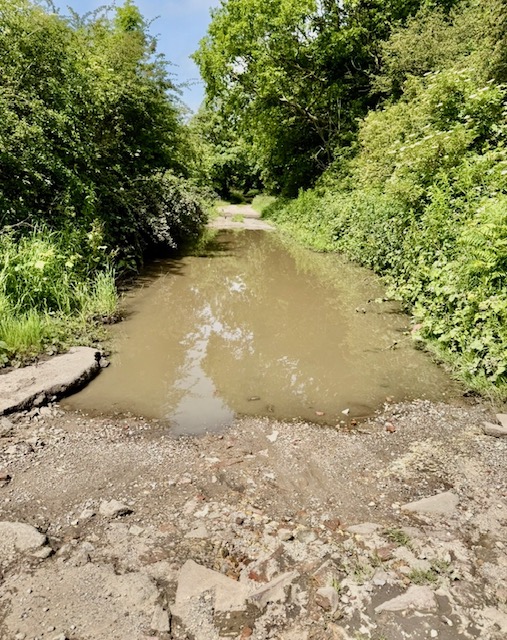
An unpaved section of National Cycle Route #1!
Places that hold thought
As I moved through England, I began to notice how often thought seems to gather in certain places.
Oxford and Stratford-upon-Avon are saturated with it. You feel it in the density of books, weight of stone, and arguments made over the centuries.
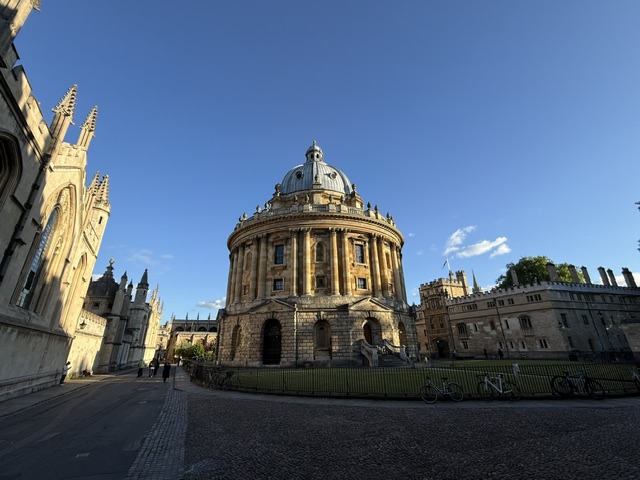
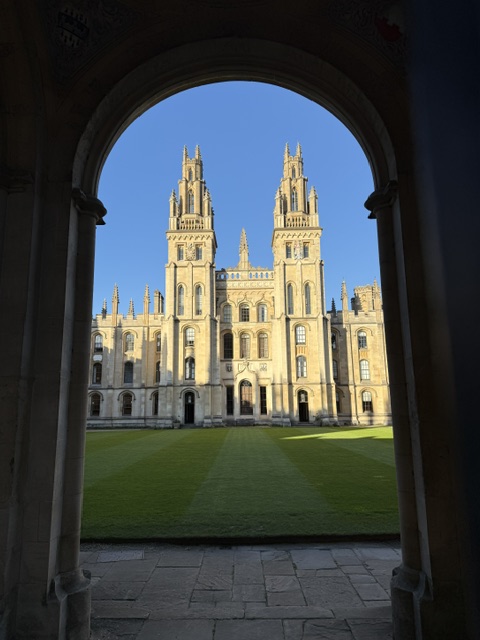
Oxford
But deep thought doesn’t only happen in institutions. Further north, at Woolsthorpe Manor, Newton’s birthplace, the story goes that much of his transformative thinking on gravity and calculus took shape not in Cambridge, but in his family’s orchard during the plague years. Whether exact or embellished, the image stays with you: revolutionary ideas generated not in a frantic hub of activity but in stillness.
That contrast stayed with me as I rode on.
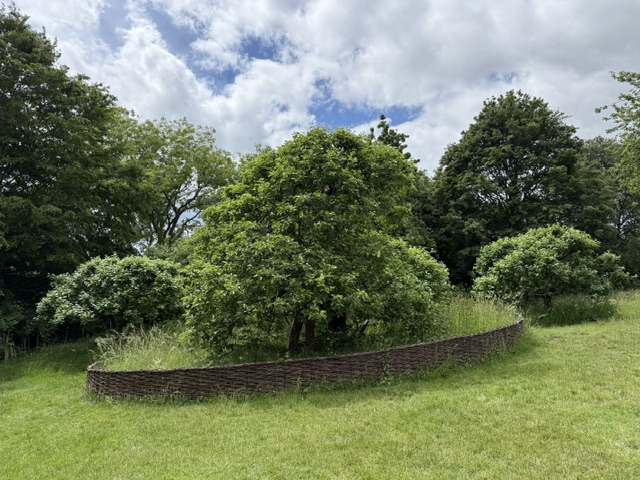
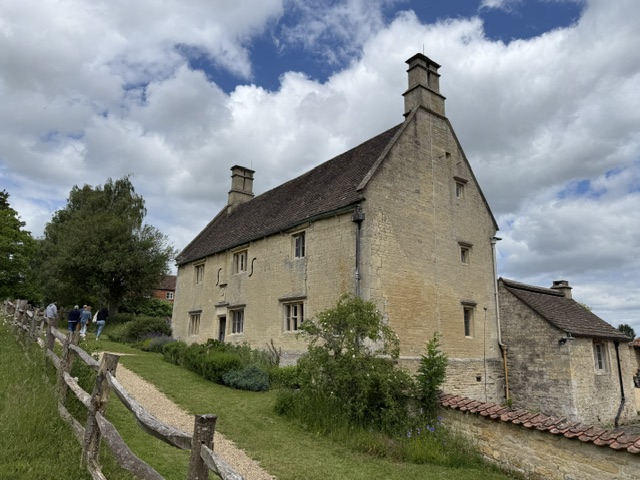
Newton’s Orchard and Home
Lincoln
Standing beneath the vaulted ceilings of Lincoln Cathedral, I was struck by the scale of what people can build across generations. Stone laid upon stone, intention upon intention, each generation adding something lasting to something far larger than itself.
It made me wonder: building things that outlast us requires ultra-long-form attention that seems incompatible with today’s ‘notification economy’.
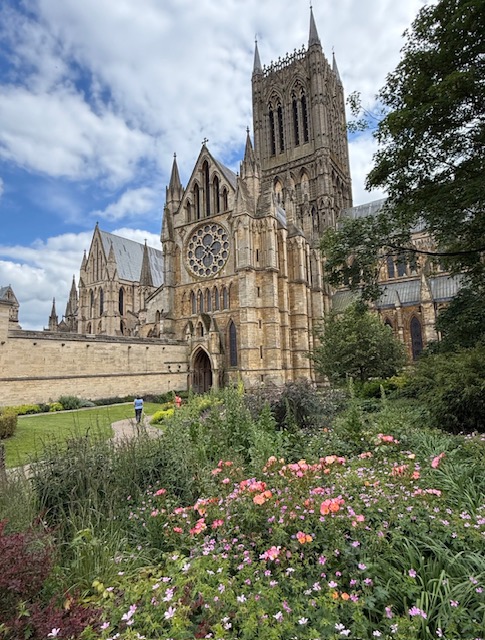
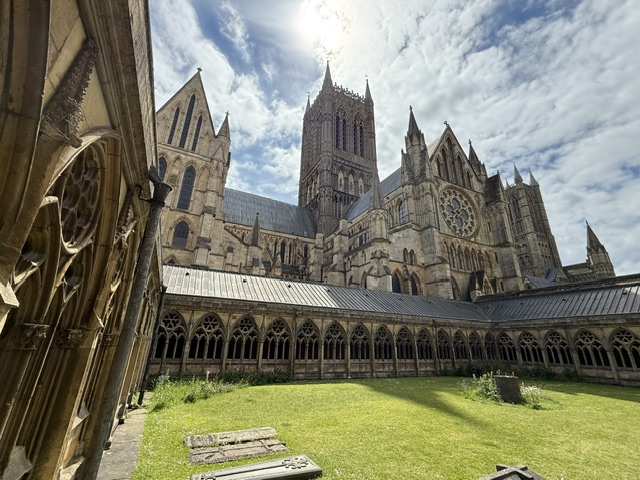
Lincoln Cathedral
The real distance
The kilometres on the bike were only the visible measure of the journey. They were scaffolding.
The real distance was mental: the slow clearing that comes from sustained movement and an open uncluttered mind.
Whether in Newton’s orchard, beneath the dreaming spires of Oxford, inside the stone vastness of Lincoln Cathedral, or in the quiet presence of Florence, the same idea kept returning in different forms:
We think best—and perhaps live best—when we step out of the noise and give ourselves time and space.

