Earlier today we had an online meeting of edtech entrepreneurs mainly from Northern Europe, organised by Heikki Rusama, CEO & Co-Founder of the teacher platform Freeed.com. He interviewed me to share views on the possible impact of the corona-crisis on the education industry in general and edtech in particular. It was great to see these entrepreneurs, albeit at a distance. I made an abbreviated transcript below for those who couldn’t join.
Heikki: Schools have been closed in Finland and we are now planning to open them again. What is the impact of the coronavirus outbreak for the education industry and edtech industry specifically?
“One billion children in lockdown”
John: There are about 1.5bn school-aged kids globally and about 1bn of them are currently in lockdown-type situations. Some places, especially in Northern Europe are about to start experimenting with coming out of it.
We’ve seen massive disruption to the operating model, impacting the learnflow of pupils, the workflow of teachers, and the communication channels and the wellbeing of everybody.
This is a very sorry situation for society as a whole, it’s probably mixed news for education depending on the role in the value chain and the time frame, but overall this is probably quite positive for parts of the edtech industry, arguably a once-in-a-lifetime triggering event for deploying edtech.
“Once in a lifetime triggering event for edtech”
Short term, from an education industry perspective, there’s good news and bad news:
- The short term winners are likely to be the big platforms and digital or blended incumbents. Probably Microsoft and Google will benefit most of all. Some incumbents might benefit if they’re well invested in digital and also because they’re known and trusted and have existing customers and established channels. People tend to choose for safety in a crisis
- The hardest short-term pain is likely to be felt by universities (especially those with a heavy enrolment of international students) and private school chains, as social distancing significantly disrupts their operating and earnings models.
Medium term, it’s possible that education might benefit, because we’re likely to have a fierce recession or depression; although this is negative for society as whole, it normally gives a boost to education as people seek to acquire skills, upskill and re-skill and use their time usefully between jobs.
Long term, the impact is harder to predict and arguably depends on whether we have a rapid “V-shaped” recovery, or if we will have a more protracted “W” or even an “L-shaped” recovery (hopefully not!).
If it’s a V-shaped recovery, then probably the most likely outcome is a step change towards digital and an acceleration of the current direction of change to an ever-higher penetration of digital in the mix. In other words, learning and teaching become incrementally more digital within a blended model.
However, my personal view is that we’re likely to go into an extended period, maybe 1-4 years, of the “1.5 metre society”. This being a period of social distancing and intermittent lockdowns, until either a vaccine is deployed, or medications found, or group immunity has been established. With current immunity at about 3-4% of the population, we are currently far away from the 60-70% required to achieve group immunity, so opening-up society will likely lead to rapid increases in new infections and new lockdowns.
“New operating model for schools?”
What does a “1.5 metre school” look like? There are probably lots of variations, but this will probably mean smaller classes, more learning from home, basically a new operating model, with a very significant digital element.
This scenario is likely to be quite bullish for the edtech industry. Here I think the bigger school-level platforms are likely to prosper in K12, and the big brand universities with a strong online presence will win in Higher Education.
However, in this scenario, state funded education systems and privately funded schools are likely to come under significant financial strain as costs rise and public spending and private wallets come under pressure. It might therefore be the case that some digital-first-institutions and -companies might prosper within an overall less healthy market than it would have been without the corona-crisis.
“New opportunities for new ventures”
So you are all leading start-ups and I think your advantage might come through agility. I would expect the winners in the start-up space compared with the pre-corona situation to be
- data-driven business, which will get even hotter than they already were, as it has now been shown that customers might be a bit less squeamish about data than was earlier the case,
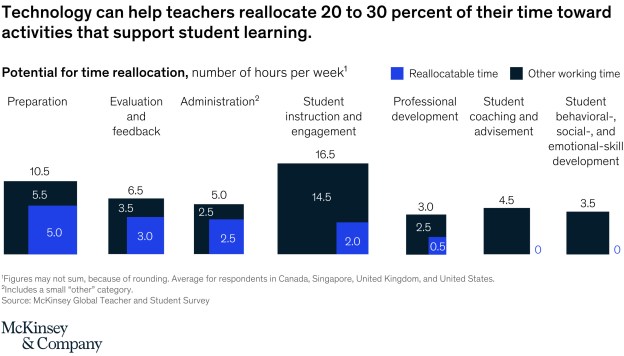
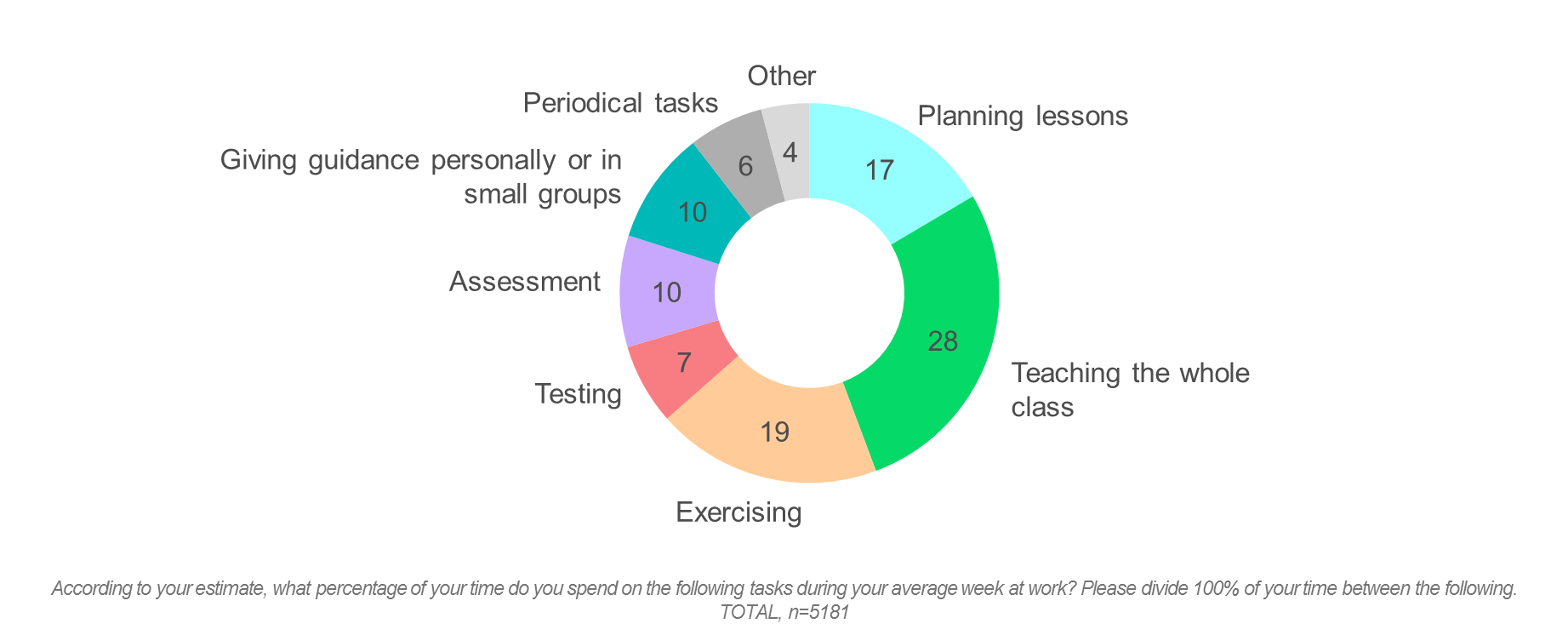
- companies enabling teacher workflow, since the time of teachers will become an increasingly scarce and precious resource,
- well-being and social emotional learning approaches are likely to get a boost.
Heikki: Many edtech companies have reported exceptional usage and even sales numbers during the crisis. Do you think that the impact will last beyond the pandemic era?
“Digital usage likely to drop back somewhat from current peaks”
John: I reckon current usage levels are probably exceptional because
- The model is now predominantly pure-play distance
- Usage is nearly always highest around the time of a triggering event
When the norm is once again face-to-face, use of digital will probably fall back somewhat, and when the triggering event is behind us, the novelty effect will also fall away. I do expect there will be a structural increase, but usage will fall back as schools open.
Heikki: Many companies have opened their offering for free during the crisis. Do you think this is a good strategy?
Do “good” business
John: The way I see this is that we lead “missionary businesses”. Morally I think it is in many cases the right thing to do at this time. Our societies are going through the biggest crisis of our lifetimes and we can help. It’s our duty to do the right thing and help. Whether it makes sense from the perspective of the long-term business strategy, I don’t know, but would be inclined to be positive:
- Is a freemium model in any case the right thing for your business?
- If not, schools might be more inclined to feel goodwill towards you when you eventually ask a price, if you were generous and not profiteering from them in their darkest hour
- For the long term, I tend to think that quality and reliability are more important factors in education than price (free), and charging a fair price for a good service according to competitive market practices is a sustainable approach
- Overall, depending on the business you’re in, I can see that offering some months for free, maybe till the summer, might be most helpful to teachers and pupils, and might create goodwill for the future.
Heikki: Over the years you have consistently spoken about the importance of technology, but also advocated the blended learning model, combining the physical and digital. Has something changed during the corona-crisis in your thinking? Have you changed your mind about edtech in some ways during the crisis?
“Blended learning with a stronger digital element has great prospects”
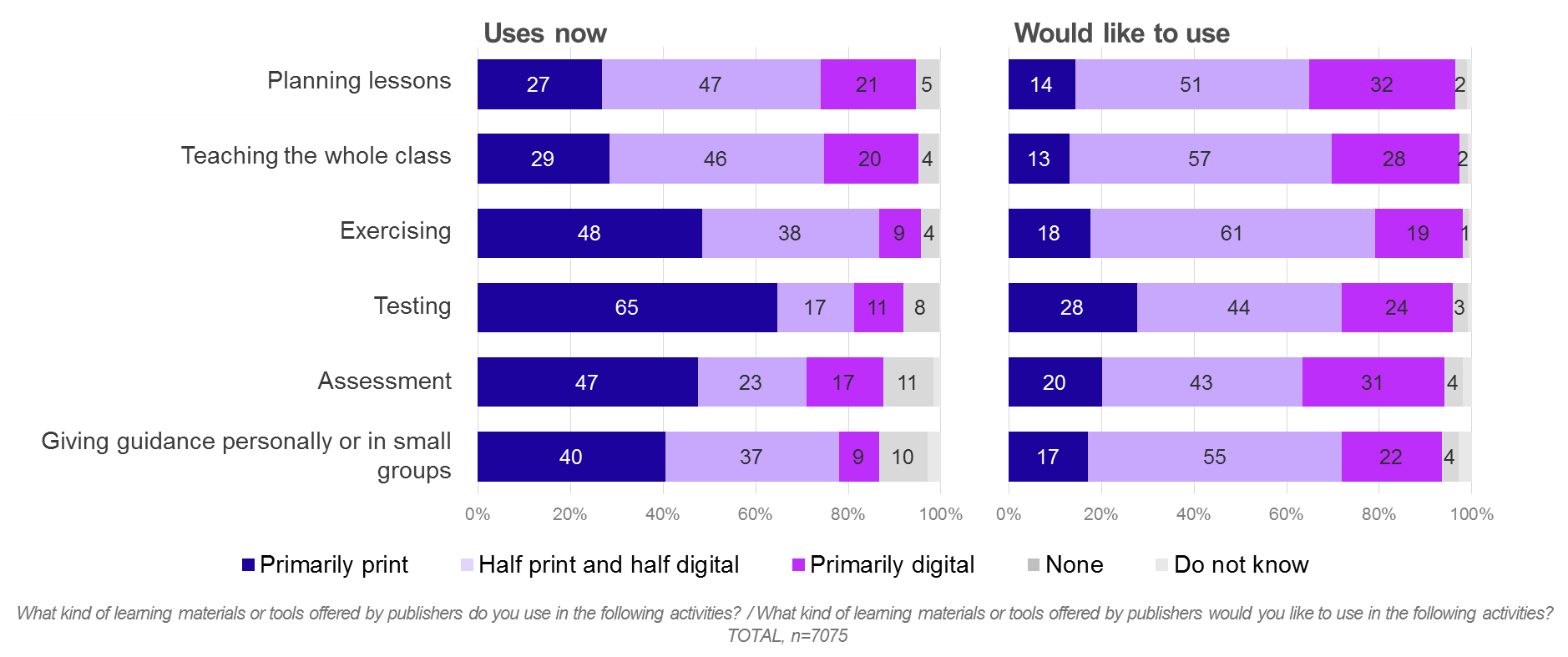
John: I remain a big believer in the blended model. This model is also working well in the crisis. You know, books also work very effectively in homes as well as schools, it’s not just about digital. I do think physical proximity of teachers and pupils is essential to good K-12 education and distance learning is essentially a poor alternative for this age group. But I’m happy to see digital boosted in the mix. What has surprised me has been the relative ease of transition to online models, and particularly the deep penetration of Google and Microsoft. It feels like a journey that was taking 10 years, got accelerated into two weeks!
Heikki: It seems that this pandemic provides a massive exposure for edtech companies. However, some fundamental issues remain. One of those is the question of sales & distribution channels. There are several national and international initiatives, trying to solve this. The key question is, I think, how to make the “edtech ecosystem” stronger and less fragmented, together?
John: the pandemic doesn’t in any way solve the go-to-market problem. It’s good to have open marketplaces with easy procurement processes and it’s helpful to have start-up networks and so on, these initiatives are worthy. In edtech I don’t think there’s a shortage of ideas or talent. I don’t think there’s a shortage of money for good businesses. Sparkmind.vc in Helsinki should bring a nice boost!
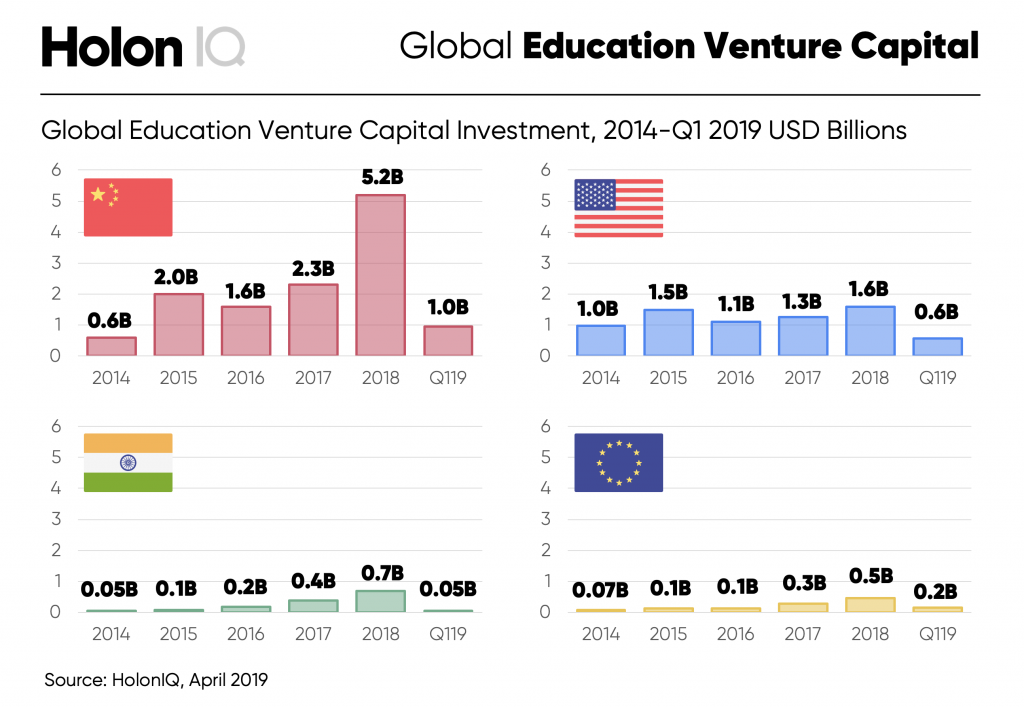
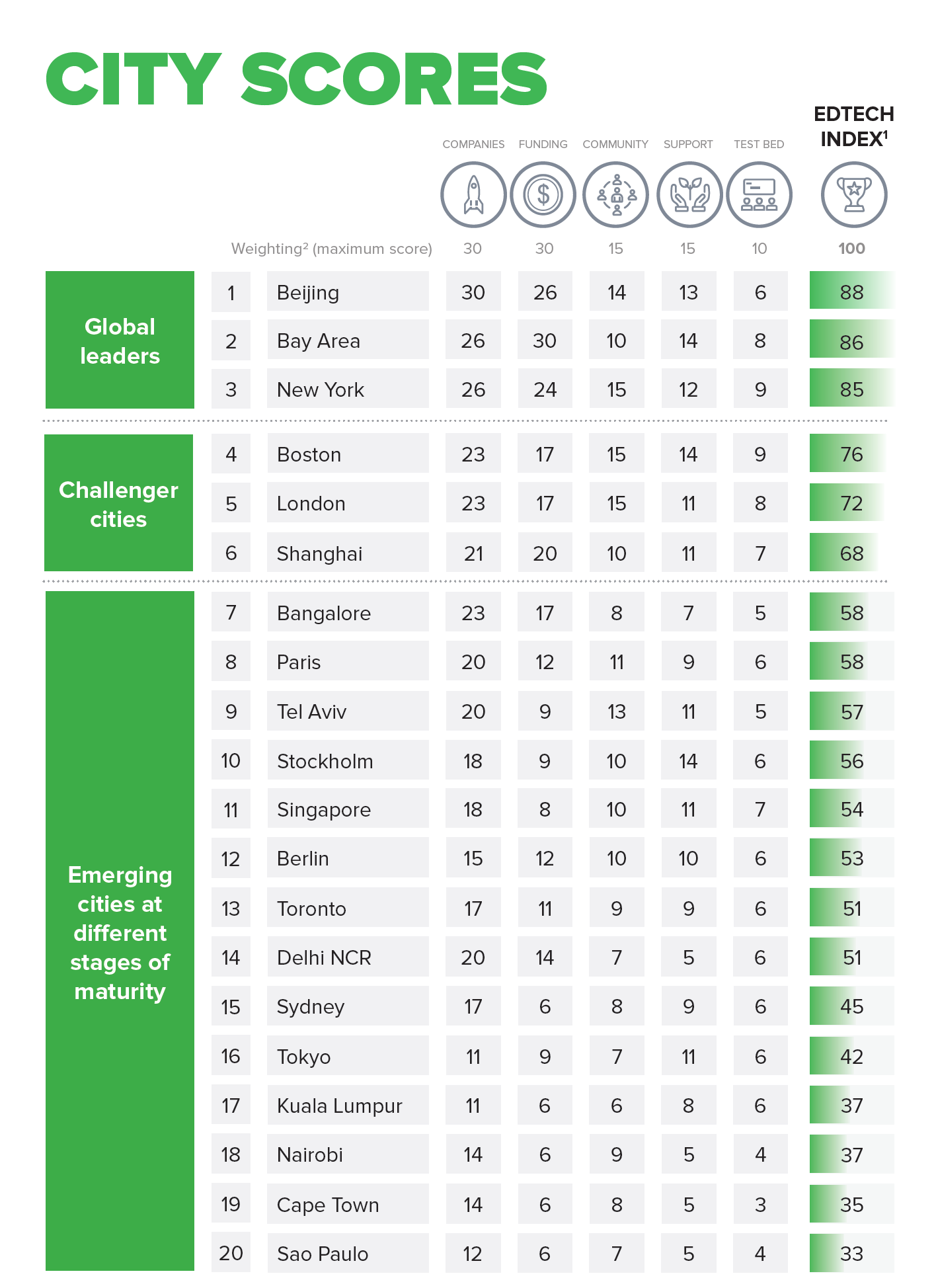
However, and I realise this might not be a very popular view to this audience, I believe the fundamental problem of European edtech is that it’s sub-scale and fragmented. It will be very hard for us to compete with the Chinese, Indians and Americans on the tech part of edtech in the long term. We can compete on local market approaches and pedagogy however. We have to solve the problem of fragmentation and lack of scale.
“Imagine your life as a teacher”
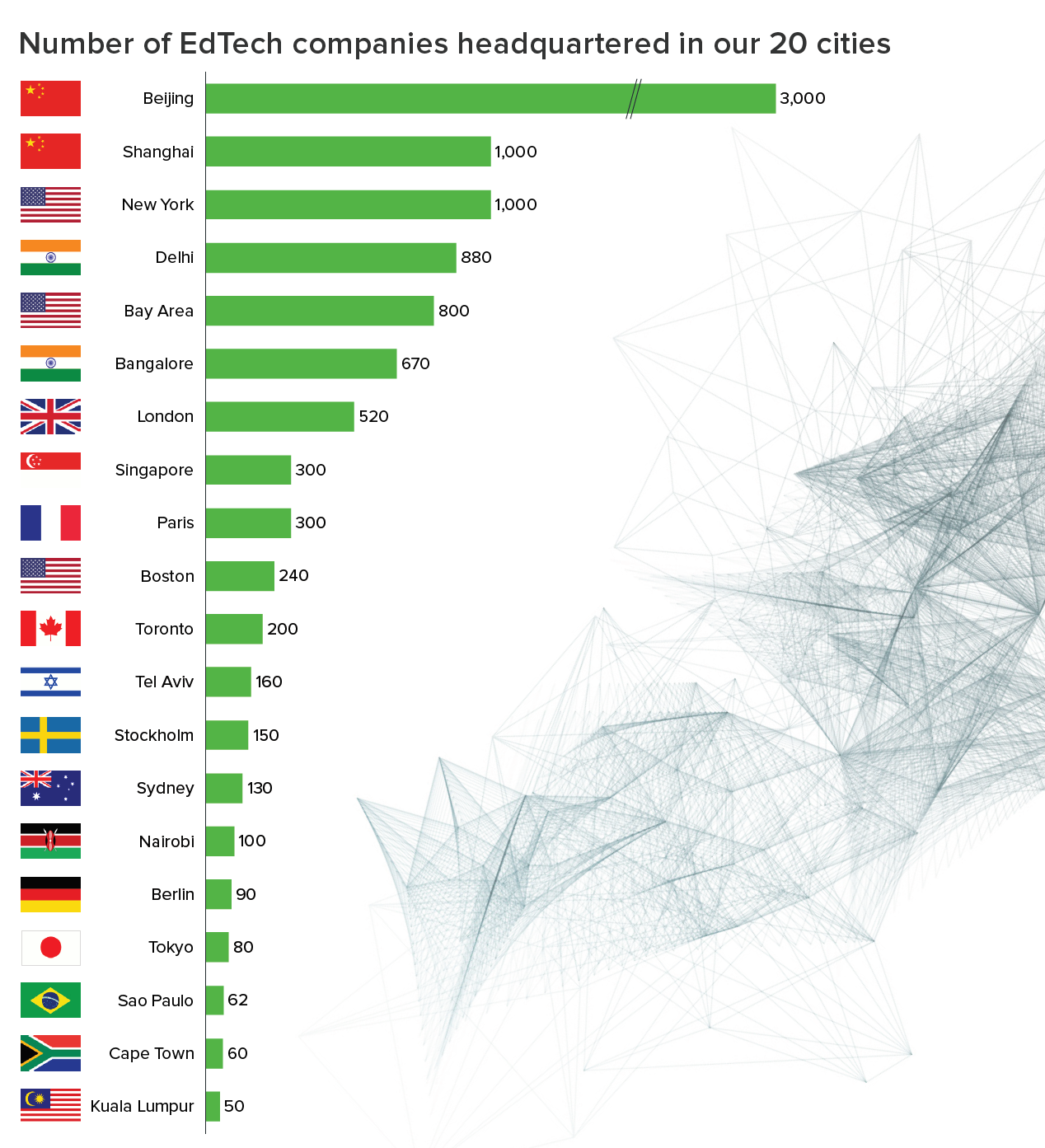
Also think about it from the customer perspective. Think about a teacher. She is mainly concerned about leading what is often an unruly classroom, effectively. There are vocal parents and there’s lots of administration to do. Teachers simply don’t have time to listen to sales pitches from 3000 edtech companies nor use 3000 different solutions.
So it’s my belief that we need to enter the next stage of maturity as an industry, to move from fragmentation and to start to consolidate around a smaller number of national and regional, maybe even global champions with strong and maybe rather broad portfolios and deep networks. And we need to inter-operate across the ecosystem.
Edtech ventures might typically want to experiment with three alternative go-to-market approaches: direct, via distributors, and with partners. In addition, it might also make sense in many cases to integrate with Microsoft and Google, they have good experience in interoperating their networks.
“Go local!”
I do have a bit of a hobby horse with education which goes against a major dogma in digital markets. In digital everyone says you need to “go global”. You know, K-12 education is really a local market. My view is that you need to become a “system player” in a local market to succeed. “Go local” is my credo in education 😊.
Heikki: Who should take lead in this? Global tech giants, Big educational publishers, countries or individual companies?
John: It varies per country and segment. Who are the bigger companies serving the customers you want to serve? Can you partner with them? Can you learn how they do it? Take the initiative and go and speak with them.
Heikki: Does this time make you a more or less enthusiastic edtech investor?
John: I’ve always been an edtech enthusiast. Broadly speaking, the corona-crisis is probably bullish for the edtech sector. From an investment perspective, alongside investing in attractive edtech assets directly, I’m also thinking in a contrarian way. Might it as an investor also make sense to buy out-of favour “legacy assets” and transform them to digital using edtech?
Heikki: What technologies or concepts are you the most interested in at the moment?
John: I always think you have to look at what the problems are that need to be solved, and what’s scarce: Two areas particularly interest me:
- Supporting teacher workflow (globally a major shortage of teachers and growing pressure on their time)
- Data driven approaches – insights are currently barely being used in education and market has just proven itself to be a bit less squeamish than it was about data
Heikki: Finally, what are the 3 things that every edtech entrepreneur should care about?
John:
- Building a winning team is key to everything. Hire the very best people you can get.
- Put the user-experience first in your offering. Make it really easy to use. Teachers have complicated lives. Make it easy enough that a teacher leading 25 unruly kids all at the same time, can use it with ease.
- Work out your go-to-market approach and especially which markets to be in. Go local!
- I will add a fourth bonus point if I may. We’re going into an uncertain future, ranging from a rapid recovery to a depression. People are generally bullish on edtech right now, there is money in the market. Make sure you have your funding in shape, and you have a good runway ahead of you.
After the interview we had interesting updates from Sari Hurme-Mehtälä, CEO at Kide Science about recent successes in China, Kristo Lehtonen CEO at 3D Bear about the great exposure they have had with Apple and Google, and Heini Karppinen, Chair of Edtech Finland, encouraging everyone to stay connected. Very helpful!
Thanks for participating. Keep the faith and stay safe!
Looking forward>>